
Small Class Sizes at Thrust Institute’s Aircraft Mechanic School
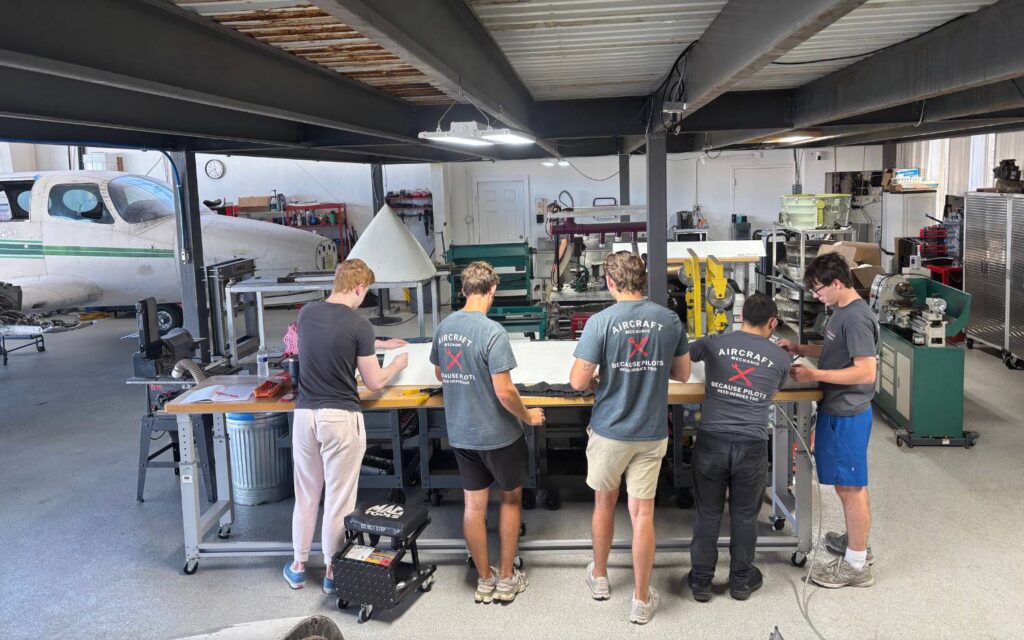
Thrust Institute of Maintenance caps class sizes at 15 students. Every student gets direct access to their instructor throughout the program.
What Small Classes Actually Change
In a class of 15, an instructor knows your name, knows where you’re struggling, and has time to walk over and help. An instructor with 15 students can spend four times as much time per person as one with 60.
Many larger A&P schools run classes with 30 to 60 students or more.
In those environments, students who fall behind often stay behind. Getting one-on-one time with an instructor requires waiting in line or showing up to office hours and hoping for availability.
Why Small Class Sizes Matter for Hands-On A&P Training
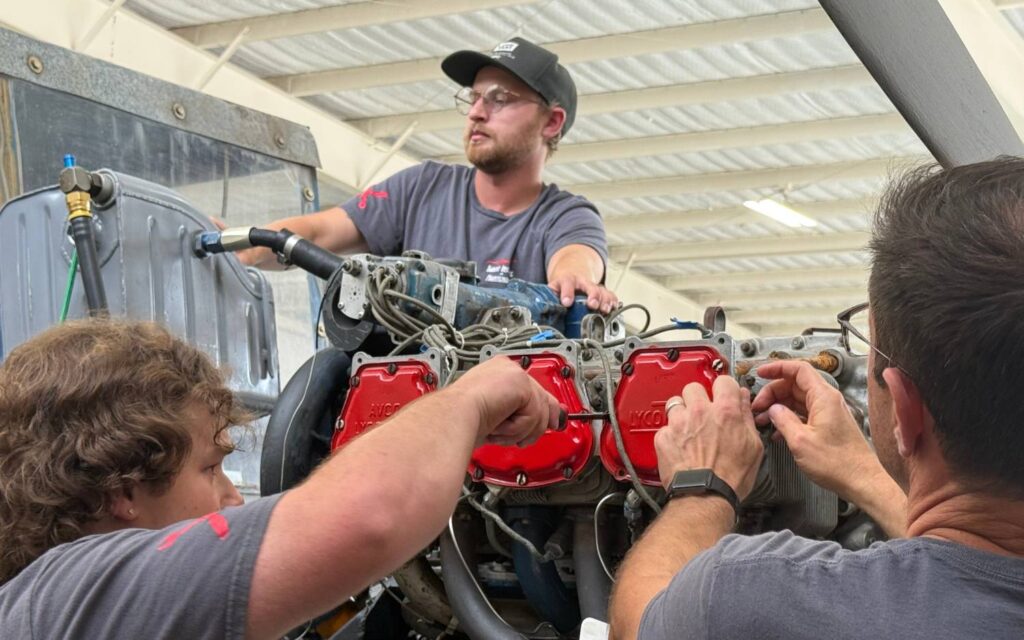
Aviation maintenance training requires physical skills. You’re learning to safety wire, to read engine instruments, to inspect airframes for damage and so much more. These are things you learn by doing them under supervision, not by watching a demonstration from the back of a large room.
With a maximum of 15 students per class, every student gets hands-on time with equipment and direct feedback from an instructor who is watching their work. You don’t rotate through stations hoping for a few minutes with the engine. You receive dedicated, one-on-one time where you build strong skills.
The Instructor Relationship
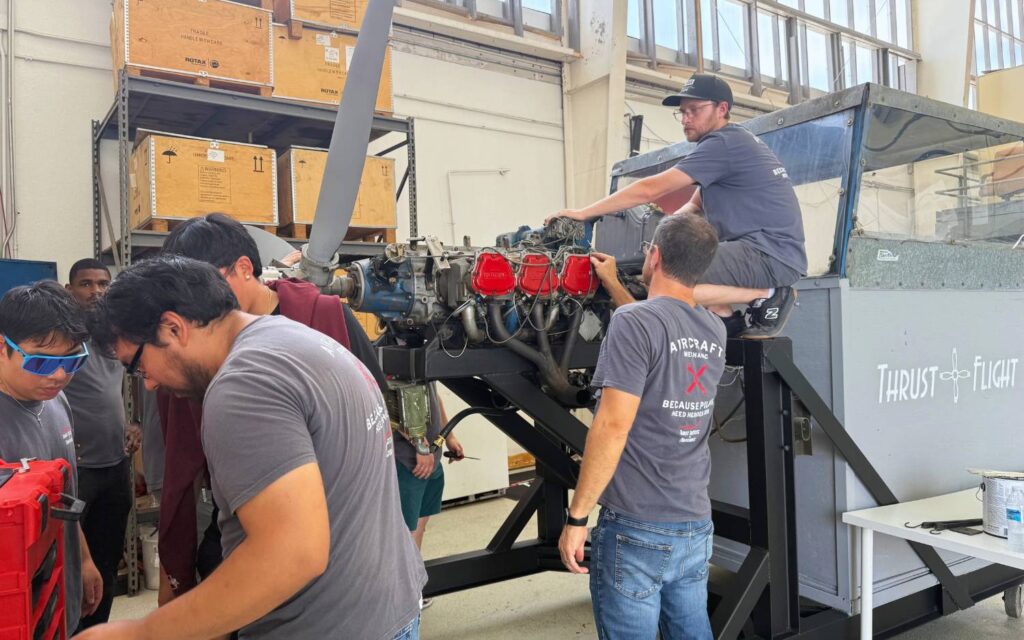
Thrust Institute’s instructors are all certified A&P mechanics. With only 15 students, they can track individual progress across the entire 10-month program. If a student is weak in electrical systems or struggling with a specific powerplant concept, the instructor sees it early and addresses it before it becomes a problem on the FAA exam.
This kind of attention is the difference between a program that graduates you and a program that prepares you.